

How to Improve Your CIBIL Score in 30-90 Days: The Ultimate Roadmap to Loan Approval
Thinking of applying for a home loan, personal loan, car loan, or even applying for your first credit card? Before a lender looks at your income or job history, they're almost certainly going to check a single number: your CIBIL Score.
A credit score is a three-digit number that reflects your past repayment behavior. It is used by the bank to predict whether you would be able to repay the loans you take in the future. It doesn't guarantee that you would get the loan, but the higher the CIBIL Score, the higher the chances of getting a loan with a better interest rate.
So this article will help you learn about CIBIL Score, what it affects, why you may have a low CIBIL Score, how you can improve it, and finally why you should do all of this before applying for a loan.
What Is a CIBIL Score?
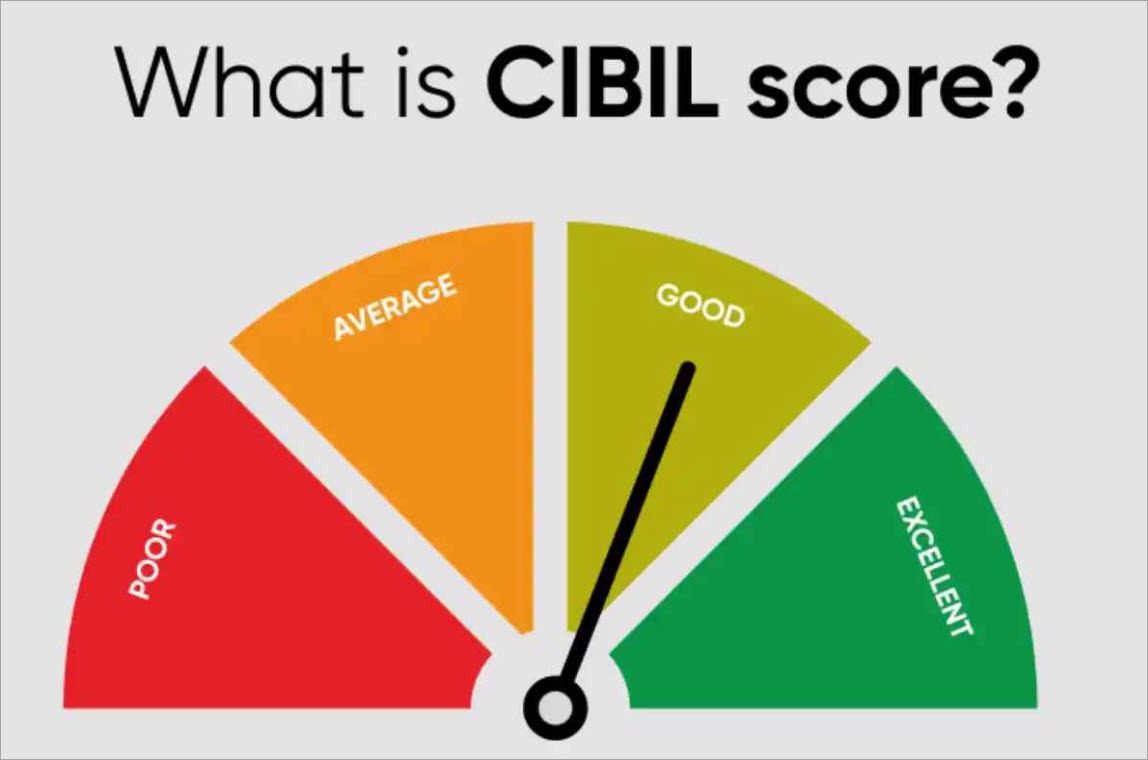
CIBIL Score is a three-digit credit score that is given to a borrower by TransUnion CIBIL, a credit bureau in India. The score can vary between 300 and 900, with a higher score meaning lower risk.
A credit score doesn't measure an individual's income or net worth; it's all about how borrowers have used loans and credit over time. A CIBIL Score is based on information that banks, non-banking financial companies. and credit card companies share about a borrower's repayment history, their outstanding balance, credit utilization, and more.
Every time you pay an EMI, use your credit card, apply for another loan, pay off a loan, etc the same is shared with TransUnion CIBIL, which will eventually show up on your CIBIL report, thus affecting your CIBIL Score.
How CIBIL Score Ranges Breakdown
Each bank has its own underwriting guidelines, but the score range mentioned below is a fair representation.
CIBIL Score | Category | What It Means |
750 to 900 | Excellent | Strong repayment history. High approval probability and better loan terms. |
700 to 749 | Good | Generally acceptable for most banks and lenders. |
650 to 699 | Fair | Moderate risk. Approval is possible, but interest rates may be higher. |
550 to 649 | Poor | Credit history needs improvement before applying for major loans. |
300 to 549 | Very Poor | High credit risk. Loan approval becomes significantly more challenging. |
Common Reasons for a Low CIBIL Score
One of the steps to fixing a low credit score is to understand why it might be low. The main reasons are:
Missing EMI or Credit Card Payments
Late payments are the primary reason your CIBIL score drops. A delay of even a few weeks can remain on your credit report for many years.
Practical Tip: Turn on auto-pay or set up calendar alerts to remind yourself when EMI or credit card payments are due. Paying on time is among the best ways to restore your CIBIL score.
High Credit Card Utilization
If you use most of your available credit limit, it can appear like you’re financially stretched. If your credit card limit is ₹1,00,000 and your current month-end balance is ₹90,000, your credit card utilization is 90%. Lenders usually look favourably on credit users who maintain their utilization below 30%, as it demonstrates credit discipline.
Multiple Loan Applications
Each time you apply for a new loan or credit card, a hard inquiry is typically generated. Applying for multiple credit products in a short span can signal to lenders that you’re looking to take on more debt.
Practical Tip: Do your research and compare loans before applying, rather than applying with several banks at once.
Loan Defaults or Settlements
A loan settlement occurs when a lender agrees to accept an amount less than what you owe. While it’s a good way to clear the account, it can still be looked upon negatively by future lenders. Whenever possible, it’s better to repay your entire outstanding balance instead of settling the loan.
Errors in Your Credit Report
Not all low scores are due to financial mismanagement. Sometimes, there could be errors in your credit report such as duplicate loan accounts, wrong payment history, or loans that do not belong to you, which could lower your score.
Check your credit report frequently and raise a dispute with the credit bureau if you find any discrepancies. Rectifying such mistakes can improve your CIBIL score without having to take on extra credit.
Limited Credit History
New borrowers tend to have lower scores because there is not enough data to judge their repayment behaviour. Gradually building a strong repayment track record is often more beneficial than applying for too many credit products at once.
How to Improve Your CIBIL Score in 30-90 Days
There is no quick fix for improving your CIBIL Score, but you can build a favorable impression within 30-90 days by following the steps below that are most likely to have an impact on your score.
1. Don’t miss any EMI or Credit Card payments
Your repayment history has the most impact on your CIBIL Score. One missed payment can stick around in your credit report for many years.
Tip: Auto-debit your EMIs or set a reminder a couple of days ahead of the EMI date. If you cannot clear your credit card dues in full, pay as much as you can instead of missing the payment completely.
2. Reduce Your Credit Card Utilization Ratio to Under 30%
Having a higher credit card balance does not mean you are in financial distress, but lenders might interpret it that way.
Example: If your credit card limit is ₹50,000 and you spend ₹45,000 every month, your credit utilization ratio stands at 90%. By clearing the bill and keeping your balance at ₹15,000, you bring your credit utilization ratio down to 30%, a sign of responsible credit use.
Tip: If feasible, try to make a partial payment during the month rather than waiting till the last minute.
3. Read Your Credit Report Carefully
Many people do not look at their credit report unless their loan application gets rejected. Take time to read through every account, payment history, and personal information listed in your report. Look out for duplicate loans, erroneous overdue balances, or any accounts you don’t recognize.
Tip: Before applying for a large loan, go through your credit report. If you find any errors, raise a dispute right away; do not expect them to resolve themselves.
4. Do Not Apply For Multiple Loans At Once
Each loan application triggers a hard inquiry. While a few inquiries in a short span of time are perfectly fine, too many applications in a short span might suggest financial difficulties.
Practical Tip: Find out which banks offer you loans before applying. Apply only to those banks where you meet the minimum requirements, instead of applying to multiple banks.
5. Do Not Shut Down Old Credit Cards
Some people believe that closing older credit cards after opening a new card would improve their financial profile. However, having an older credit card demonstrates a longer credit history.
If your old credit card has minimal or no annual fee, continue to use it and charge small purchases every few months. Ensure you pay off the entire balance before the due date.
6. Pay Off Loans Rather Than Settle Them
If you have defaulted on loan repayments, try to pay off the remaining balance if possible. Though settling a loan means it is closed, lenders may still consider it unfavorable as the entire amount was not repaid.
Tip: Talk to your lender about repayment options before thinking about settling a loan.
Mistakes to Avoid
Unfortunately, most mistakes are made because people simply aren't aware that they are making these financial errors. Common mistakes that people make when trying to improve their scores are:
Not paying your bill on time
Using the full credit limit every month
Applying for multiple credit cards and loans at once
Not checking your credit report
Closing down your oldest credit account without a valid reason
Using credit cards for frequent cash withdrawals
Taking on loans you can't repay
The best advice is not to be overly reliant on credit, even if you are good at borrowing.
FAQs:
What is the minimum CIBIL Score required for a loan?
Every bank and financial institution has a different policy when it comes to credit scores. So, there's no standard minimum score. That said, most banks prefer a CIBIL Score of 750 and above, and a good income and repayment history.
Does checking your own CIBIL Score reduce it?
When you check your own score or pull your credit report from CIBIL, it is marked as a soft pull and does not impact your score.
How often is a CIBIL Score updated?
Most credit information changes are updated when lenders report to the credit bureaus regarding your loan, credit card, and other financial information. You should be aware that this might take several weeks before an update is reflected in your score or credit report.
Conclusion
Your CIBIL Score is only one part of the equation when determining your financial credibility, and it is never too late to start improving it. Any amount of credit you pay on time, reduce debt, or use in a positive way helps build a better credit profile.
Key Takeaways:
When you're thinking about applying for a loan in the coming months, here's what you should do:
Always pay EMIs and credit card bills on time.
Do not use more than 30% of your credit limit.
Review your credit report for any discrepancies before taking on a fresh credit.
Stay away from credit card or loan applications that you do not need.
Develop strong credit-building habits and do not look for shortcuts.
If you're planning to apply for a credit or loan in the next few months, you can start improving your CIBIL Score now. It will take time and effort to make a positive impact on your credit score, but taking the steps we discussed in this article could improve your credit profile over 30 to 90 days and increase your chances of a loan approval.
__________________________________________________________________________________
Disclaimer: The information provided in this article is intended for educational purposes only and shouldn't be construed as financial or lending advice. Loans are subject to various factors including income, current liabilities, employment profile, and bank policy.
Comments
Join the conversation
Sign in to join the conversation.
Follow replies, add your view, and take part in the discussion.
Sign in to commentLoading comments...