F

Fixed Income & Safe Money

c/fixedincome

Where to park cash and earn a real return — US Treasuries and T-bills, CDs and high-yield savings, bonds and money-market funds, plus India FDs, PPF and RBI T-bills. How each one actually works, what it pays, and the risks. Education only, never advice.

publicmacroStarted Jul 202611 posts3 members
Log in to join

Join to post, ask questions, and follow the conversations that fit your market style.

Why join c/fixedincome?

Real conversations

Ask what you are missing and compare notes.

Focused and relevant

One community, one cleaner thread of discussion.

Learn and grow

Read first, then post when you have a view.

ranjeet_singh
4 weeks ago

T-bills vs T-notes vs T-bonds: what's the difference — and which should you buy?

Treasury bills, notes and bonds are the same thing — a loan you make to the U.S. government — and the only real difference between them is how long the loan lasts. A T-bill matures in one year or less, a T-note in 2 to 10 years, and a T-bond in 20 or 30 years. That single difference — the maturity — changes how you get paid, how much income you earn, and how much the price bounces around if you sell early. This guide walks through each one with the actual arithmetic, how to buy them, the catches to watch, and how the same idea works in India. The one thing that separates them: maturity All three are “Treasurys” — IOUs issued by the U.S. Depar…
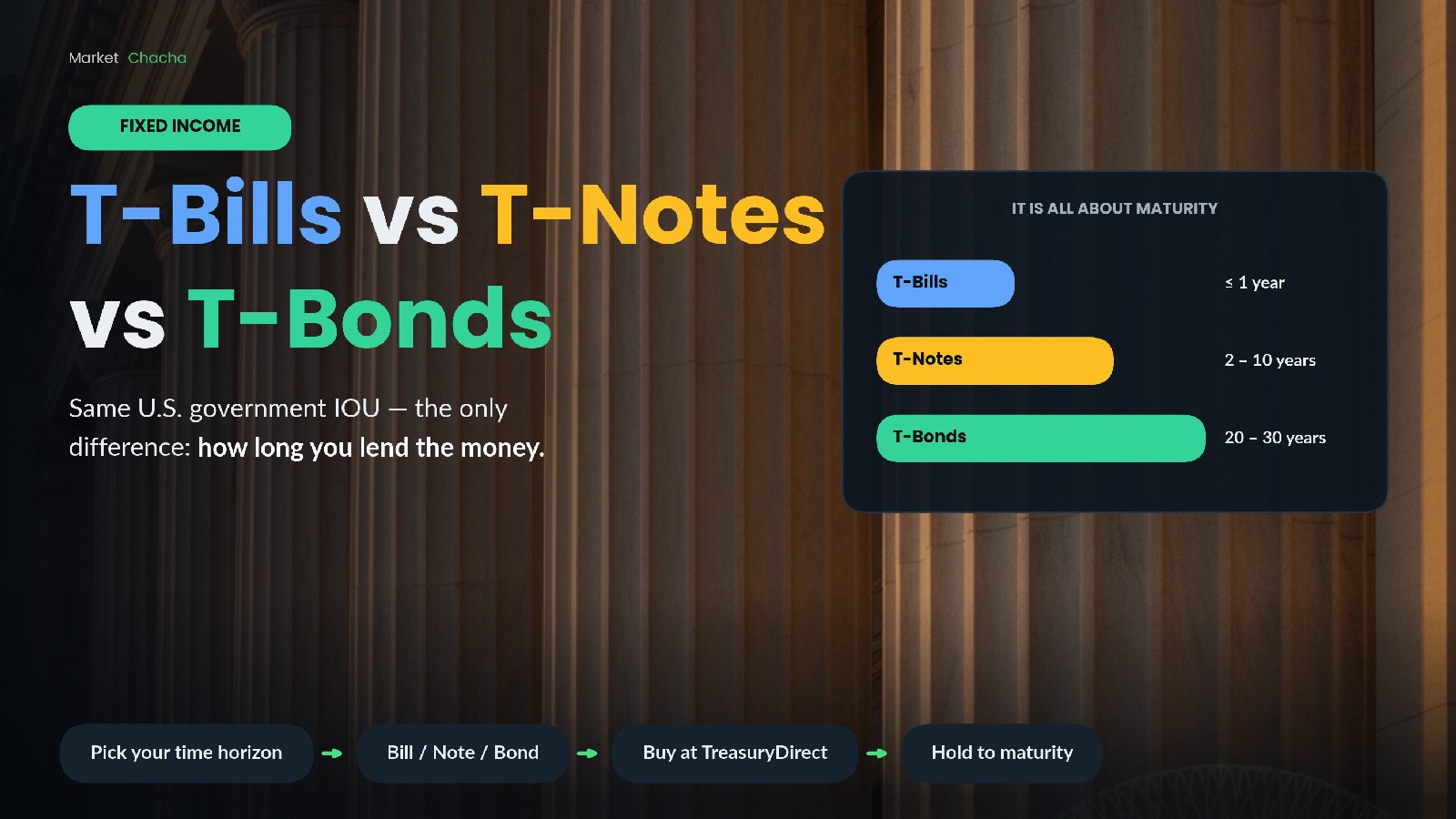
T-bills vs T-notes vs T-bonds: what's the difference — and which should you buy?+2 more
0
ranjeet_singh
4 weeks ago

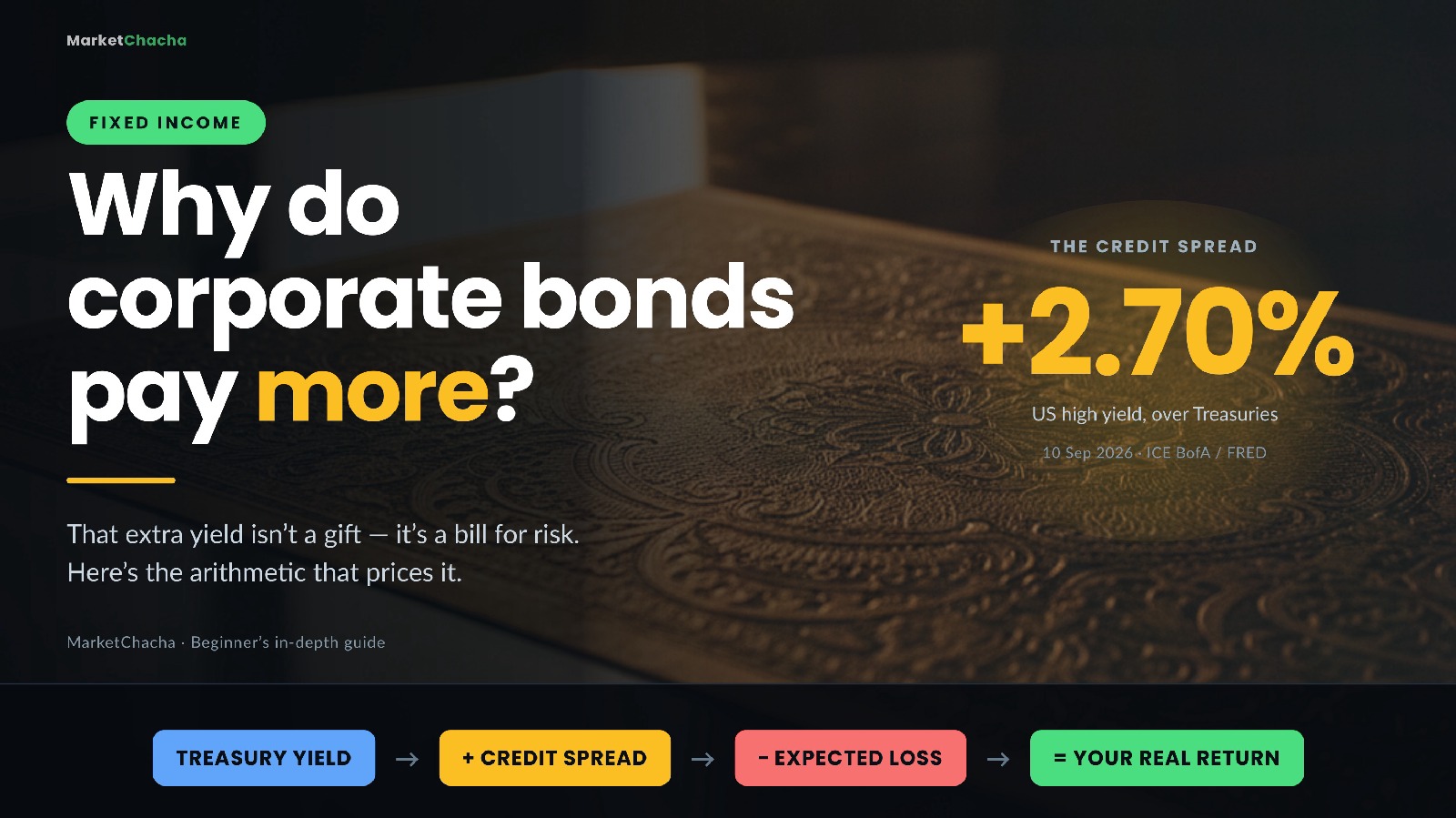
Why do corporate bonds pay more than Treasuries? Credit risk, ratings and spreads explained

A corporate bond is a loan you make to a company instead of to the government, and it pays more than a Treasury for one blunt reason: a company can fail to pay you back, and the US Treasury, in practice, does not. That extra yield has a name — the credit spread — and it is not a bonus. It is the market's price for the risk that some of these loans never come back in full. As of 10 September 2026 , the ICE BofA US High Yield index yielded 7.42% while a 5-year Treasury note yielded 4.75%, and that index's measured spread over Treasuries was 2.70 percentage points (FRED/ICE BofA; US Treasury). This guide covers what that gap is made of, what a c…

Why do corporate bonds pay more than Treasuries? Credit risk, ratings and spreads explained+2 more
0
ranjeet_singh
1 month ago

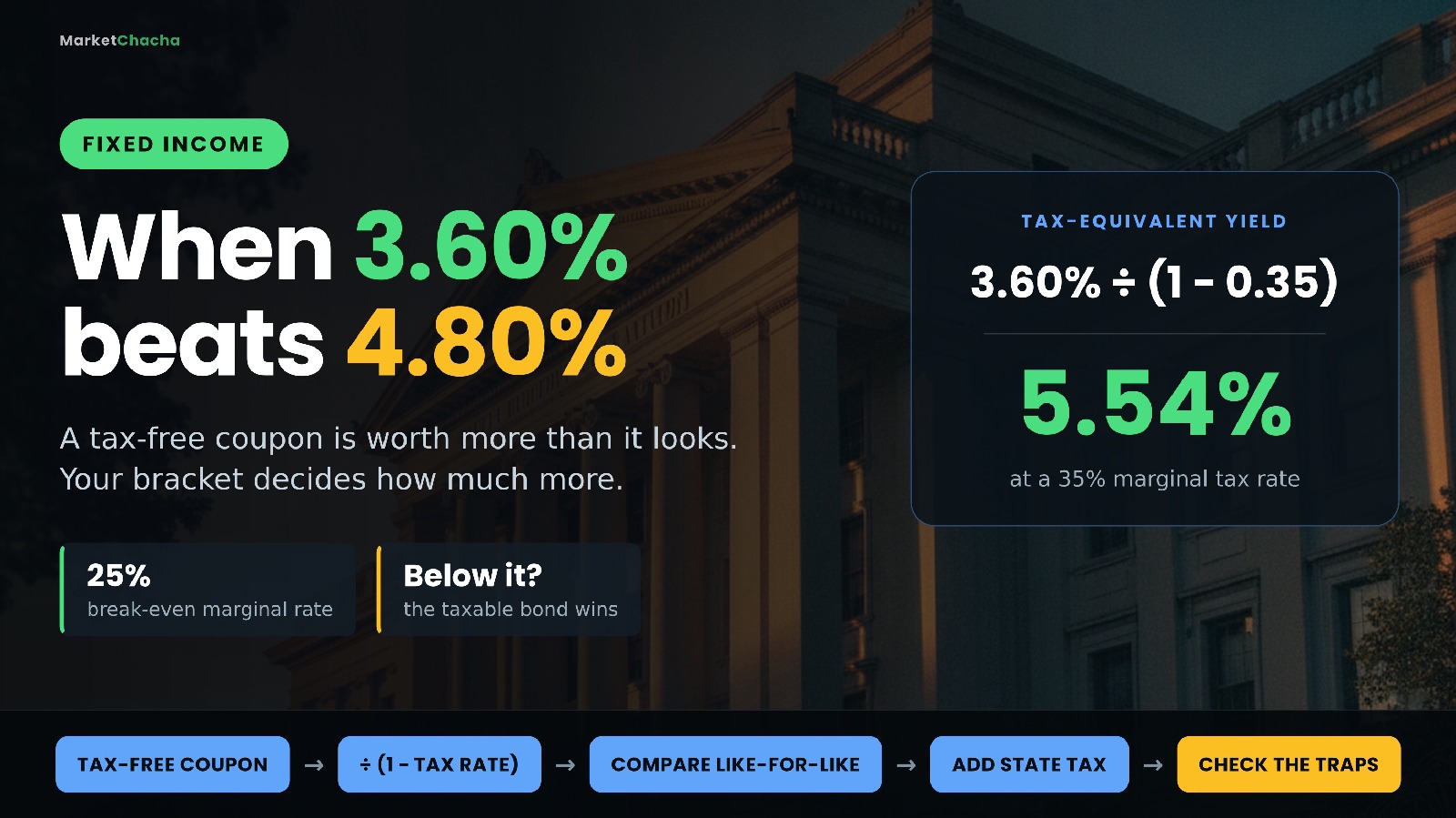
What is a municipal bond — and how does tax-equivalent yield tell you if it's worth it?

A municipal bond (a "muni") is a loan you make to a US state, city, county, school district or public agency. It pays you interest on a fixed schedule and returns your money at maturity — and the important part is that the interest is usually exempt from federal income tax , and often from your own state's income tax too. That exemption is why a muni advertising 3.60% can leave you with more money than a taxable bond advertising 4.80%. Tax-equivalent yield is the one calculation that lets you compare the two honestly. This guide covers what a muni actually is, how the tax exemption really works, the tax-equivalent yield formula with t…

What is a municipal bond — and how does tax-equivalent yield tell you if it's worth it?+2 more
0
ranjeet_singh
2 months ago

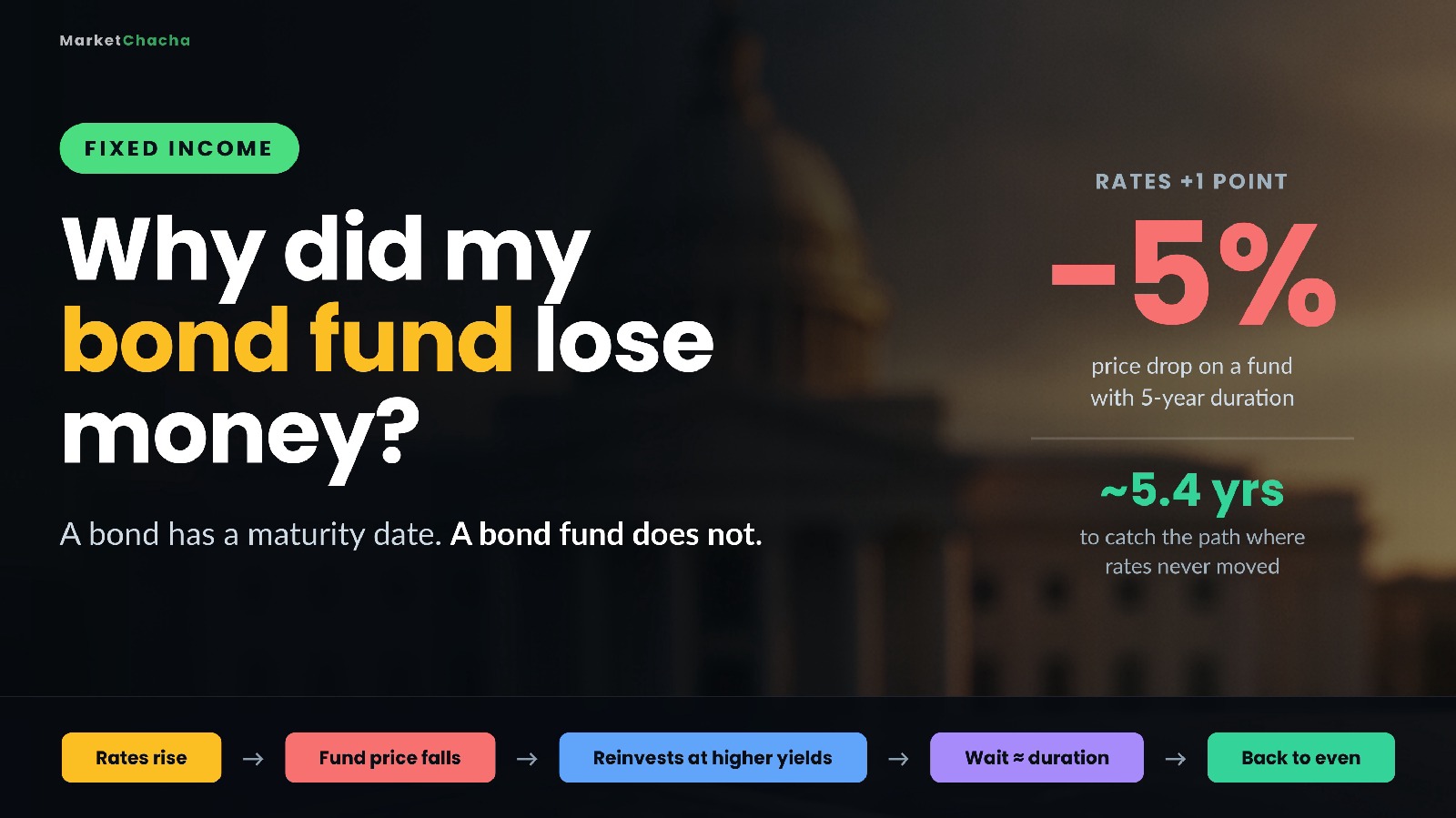
Why did my bond fund lose money? Bond funds vs holding a bond to maturity, explained

Your bond fund lost money because a bond fund never matures . Buy a single bond and hold it, and there is a date in the contract on which you get your face value back — the SEC puts it plainly: "If bonds are held to maturity the investor will receive the face value, plus interest. If sold before maturity, the bond may be worth more or less than the face value." A bond fund has no such date. It owns hundreds of bonds, rolls them as they age, and prices the whole basket every day at what the market will pay right now. So when interest rates rise, a bond you hold falls in price on a screen you can ignore — and a bond fund posts a real, v…

Why did my bond fund lose money? Bond funds vs holding a bond to maturity, explained+2 more
0
ranjeet_singh
2 months ago

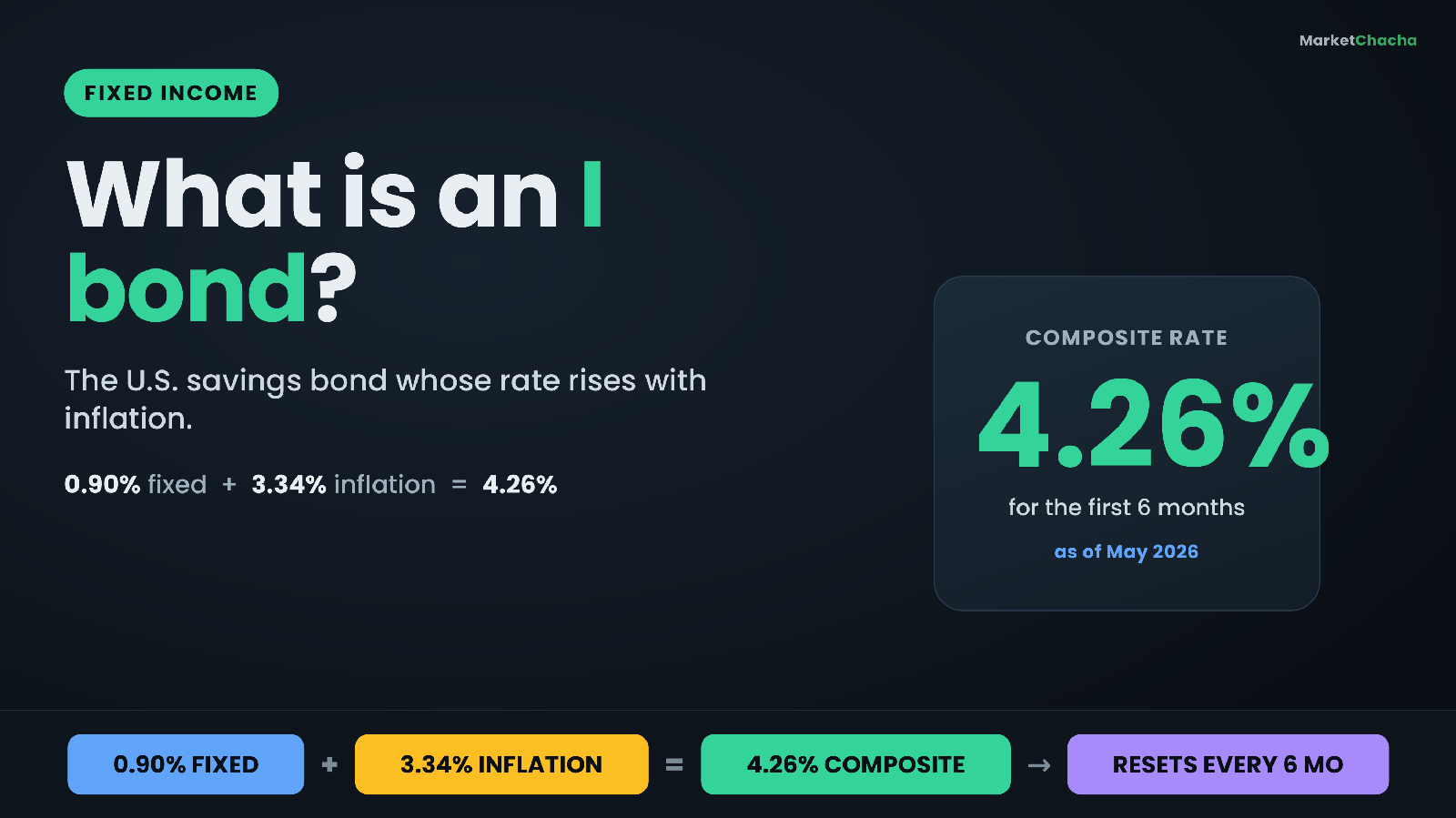
What is a Series I savings bond (I bond) — and how do you actually make money from it?

A Series I savings bond — an "I bond" — is a savings bond sold by the U.S. Treasury whose interest rate rises and falls with inflation, so the money you park in it keeps its buying power. You lend the government a small amount (as little as $25), and it pays you a rate that is rebuilt twice a year to track the Consumer Price Index. As of May 2026 , a newly bought I bond pays a 4.26% annualised composite rate for its first six months, and it is backed by the full faith and credit of the U.S. government — about as safe as a place to put cash gets. This guide explains exactly how the rate is built, walks through what $10,000 actually ear…

What is a Series I savings bond (I bond) — and how do you actually make money from it?+2 more
1
ranjeet_singh
2 months ago

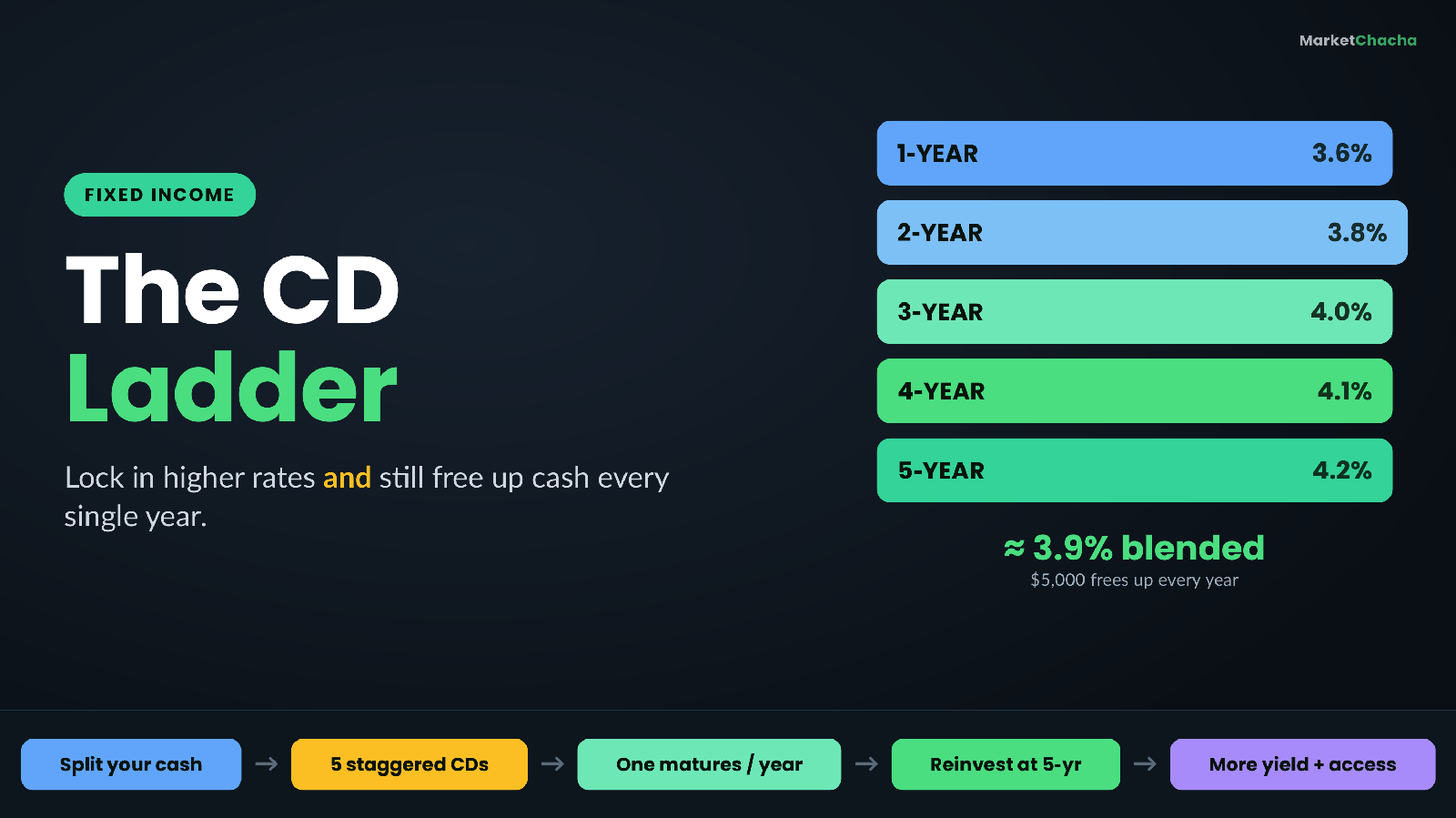
What is a CD ladder and how does it actually work? (with a worked example)

A CD ladder is a simple strategy where you split your cash across several certificates of deposit (CDs) that mature at staggered times — say one CD coming due every year for five years — instead of locking it all into a single CD. The point is to get the higher, locked-in rates that longer CDs pay while still having a chunk of money freeing up at regular intervals, so you rarely have to break a CD early and eat a penalty. This guide walks through exactly what a ladder is, builds a $25,000 five-year ladder step by step with the arithmetic, explains the catch, and closes with how the same idea (FD laddering) works in India. What is a CD ladder,…

What is a CD ladder and how does it actually work? (with a worked example)+2 more
0
ranjeet_singh
2 months ago

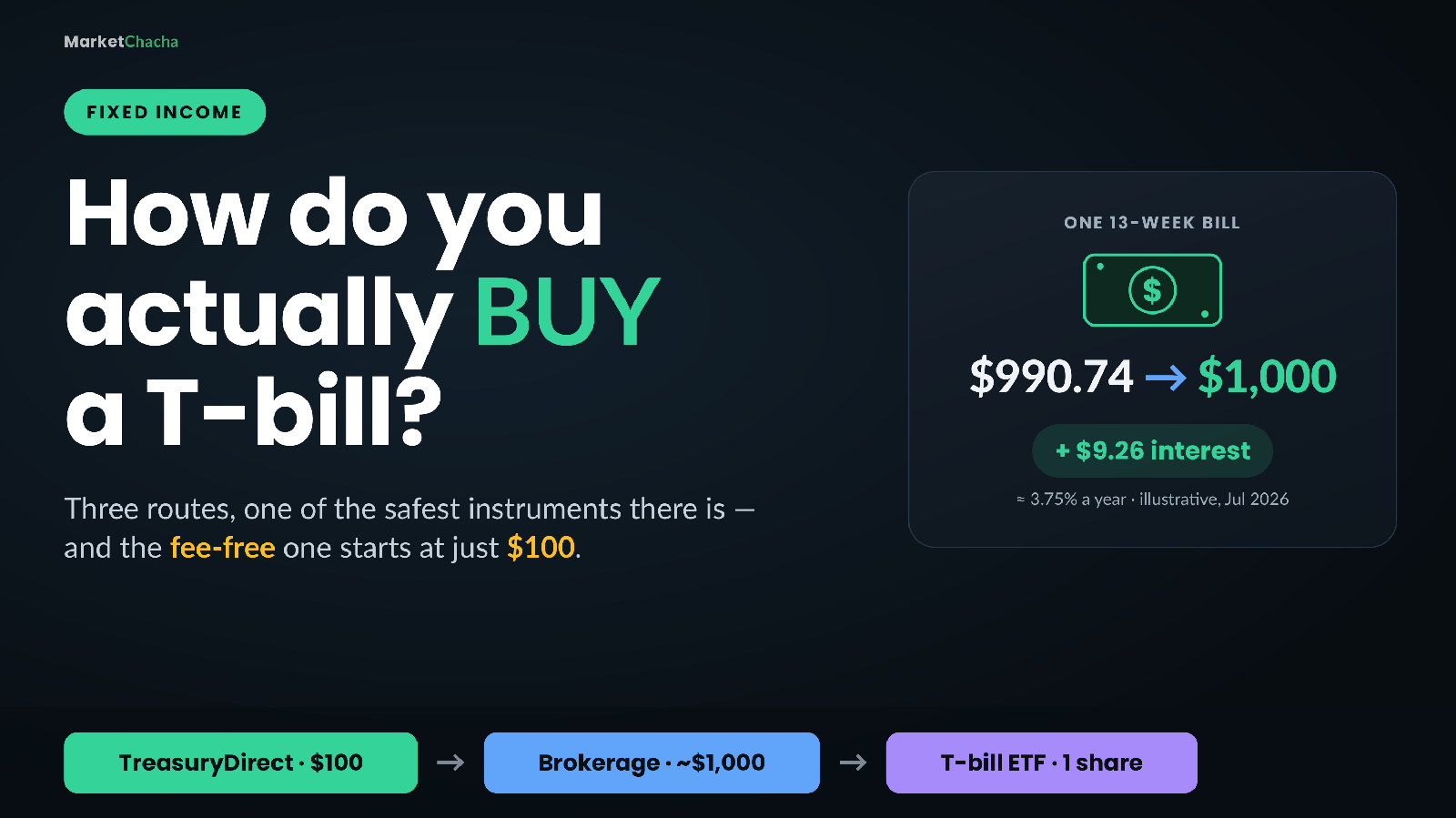
How do you actually buy a T-bill? TreasuryDirect vs a brokerage vs T-bill ETFs

There are three practical ways to actually buy a U.S. Treasury bill: straight from the government on TreasuryDirect , through a brokerage account (Fidelity, Schwab, Vanguard and the like), or by buying a T-bill ETF such as SGOV, BIL or USFR that holds a rolling basket of bills for you. All three put your money in the safest short-term instrument the U.S. government offers; they differ in the minimum you need, how easily you can get your cash back before maturity, and whether you pay a tiny fee. This guide walks through each route with a worked example, a step-by-step of the TreasuryDirect flow, the catches to watch, the common beginner mistak…

How do you actually buy a T-bill? TreasuryDirect vs a brokerage vs T-bill ETFs+2 more
0
ranjeet_singh
3 months ago

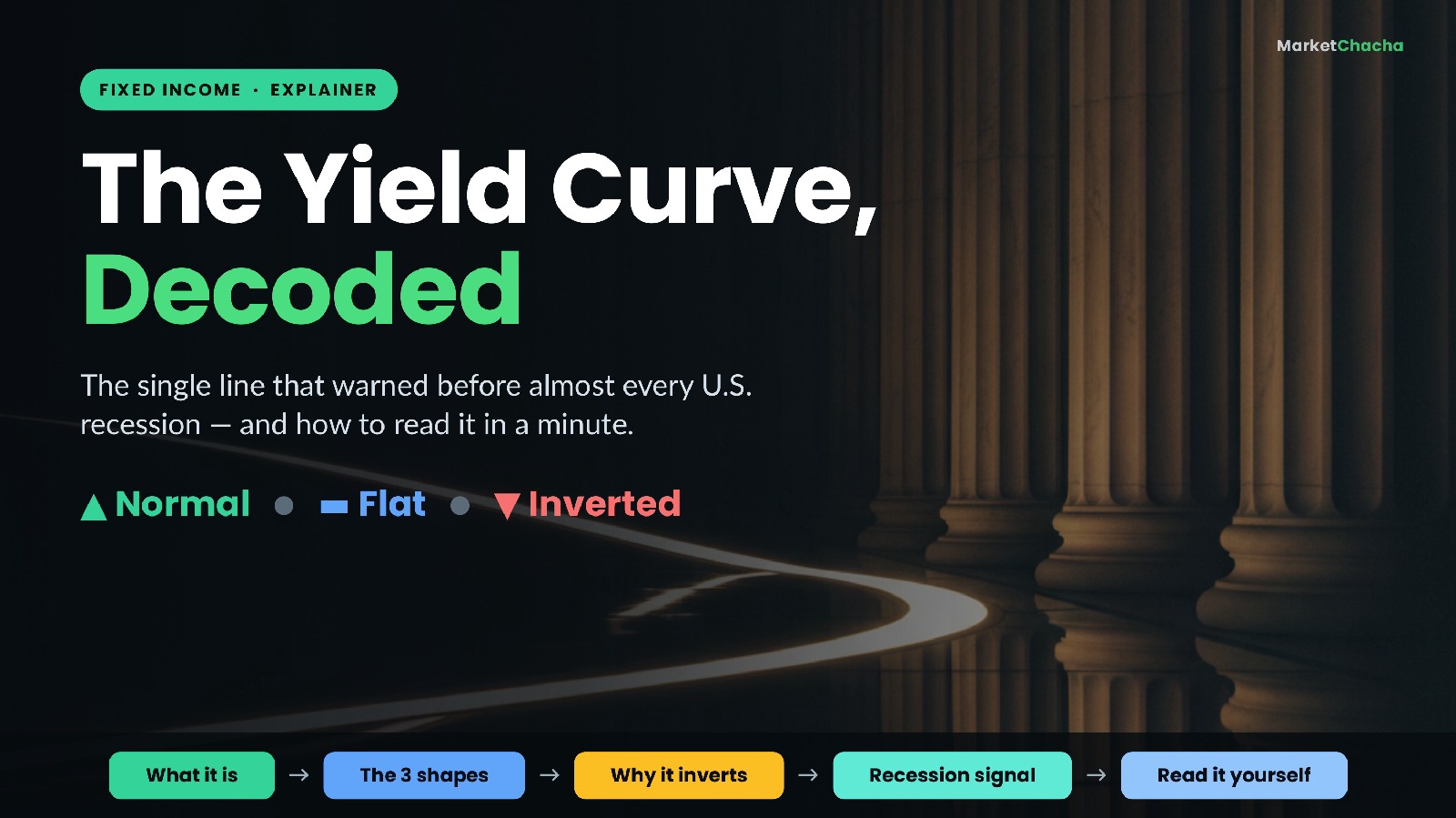
What is the Treasury yield curve — and why does an 'inverted' one scare investors?

The Treasury yield curve is simply a line that plots the interest rate (the "yield") you earn on U.S. government debt against how long you lend for — from a 1-month T-bill all the way out to a 30-year bond. Read left to right, it shows whether short-term or long-term money pays more. Most of the time the line slopes up (longer = higher yield), which is called "normal." When it slopes down — short-term bonds paying more than long-term ones — the curve is "inverted," and that is the shape that lands on the front page, because a U.S. inversion has come before almost every recession in the past half-century. This guide exp…

What is the Treasury yield curve — and why does an 'inverted' one scare investors?+2 more
0
ranjeet_singh
3 months ago

High-yield savings vs money-market funds vs CDs: where should you actually park your cash?

If you have cash you don't want to invest in stocks — an emergency fund, a house down-payment, next year's tuition — the three main places to park it are a high-yield savings account (HYSA) , a money-market fund (MMF) , and a certificate of deposit (CD) . They all pay you interest for holding cash, and as of July 2026 the best of each pay in the same ballpark — roughly 4% a year. The real decision isn't "which pays the most this week"; it's a trade-off between how easily you can get your money out and whether your rate is locked or floating . This guide explains exactly how each one works, walks through the arithmetic on $10,000, and…

High-yield savings vs money-market funds vs CDs: where should you actually park your cash?+2 more
0
ranjeet_singh
3 months ago

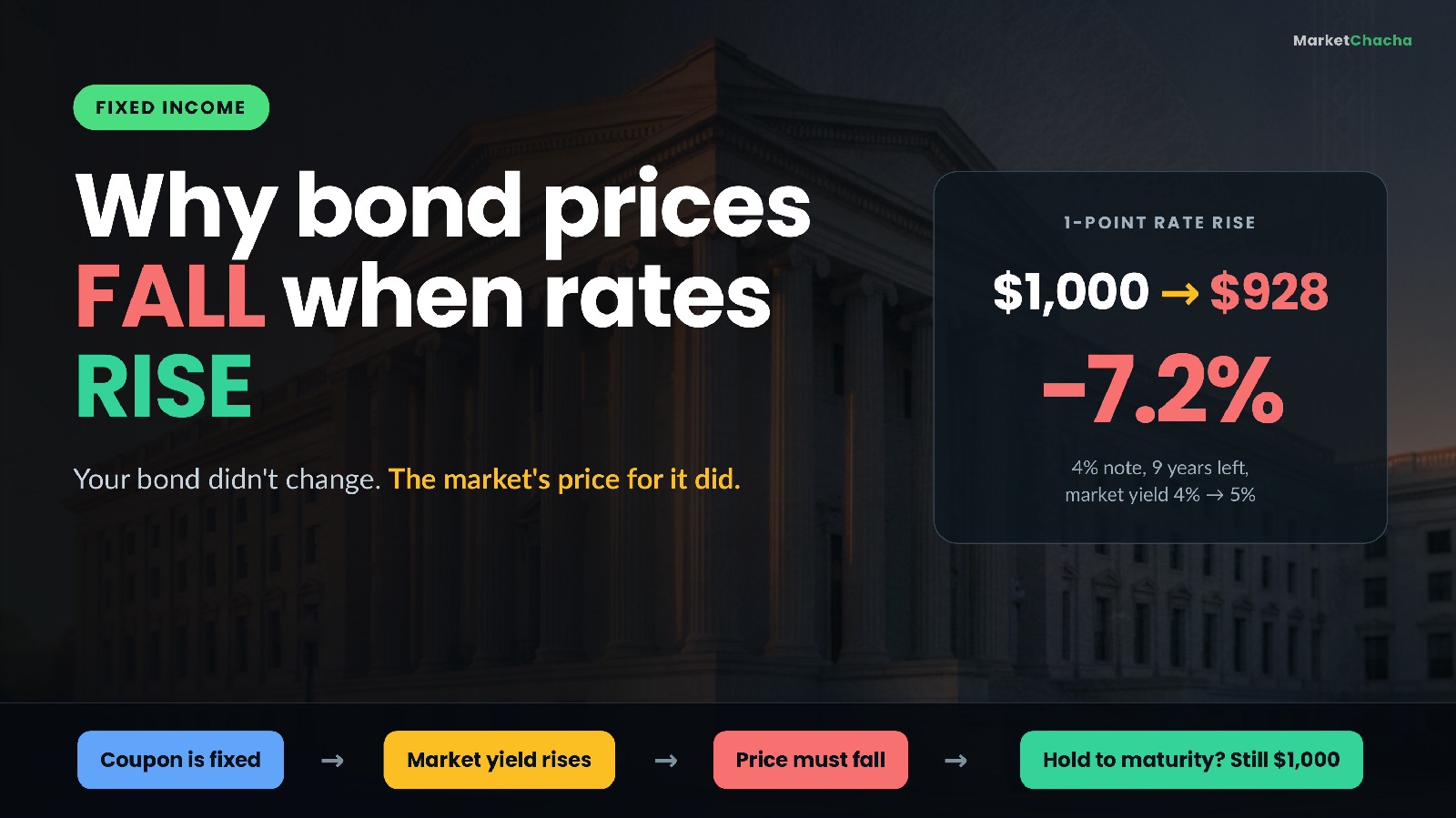
Why do bond prices fall when interest rates rise? (Beginner's in-depth guide)

Bond prices fall when interest rates rise because a bond's interest payment is fixed at birth . If you own a bond paying 4% and new bonds start paying 5%, nobody will buy yours at full price any more. The only way your bond can compete is for its price to drop far enough that a buyer still earns 5% on the money they put in. Nothing about your bond changed — the market simply repriced it. The US Securities and Exchange Commission calls this interest rate risk , and it applies to every fixed-rate bond, including US Treasuries. Below we walk through exactly why this happens, do the arithmetic on a real $1,000 note, explain the one number (durati…

Why do bond prices fall when interest rates rise? (Beginner's in-depth guide)+2 more
0
ranjeet_singh
3 months ago

What is a T-bill and how do you actually make money from it?

A Treasury bill (T-bill) is a short-term loan you make to the U.S. government for a year or less. Here is the part that confuses almost every beginner: a T-bill pays you no interest cheque along the way . Instead, you buy it for less than its face value, and when it matures the government pays you the full face value. That gap between what you pay and what you get back is your interest. Buy a $1,000 bill for $990.50, collect $1,000 thirteen weeks later, and that $9.50 is what you earned. This guide walks through exactly how that works: the discount mechanic with a worked example, the two "yield" numbers you'll see quoted, how to actua…

What is a T-bill and how do you actually make money from it?+2 more
0